

Women's Health Scarring
Welcome to the Women's Health Scarring page.
This page brings together information, guidance and resources relating to women's health scars, including C-section scars, hysterectomy scars and pelvic floor scarring.
Whether you're preparing for surgery, recovering from a recent procedure or simply looking for answers about a scar you've been living with for some time, you'll find support, education and practical advice to help you better understand your options.
Use the buttons below to explore the topics most relevant to you.
C-Section Scarring
All About C-Sections: What is a C-Section?
A Caesarean section (C-section) is an operation used to deliver a baby through incisions
made in the mother's tummy and uterus. It may be planned in advance or required during
labour if a vaginal birth is not the safest option for the mother or baby.
C-sections are common procedures, and your healthcare team will discuss the reasons, benefits, risks, and recovery process with you before the birth whenever possible.

Please watch the video by Dr Magda Fiolna, who explains in more detail what a C-section birth includes:

If you have had a
c-section or are planning a c-section birth - or just want to make it better for
c-section mums in the UK. Please sign our government petition to improve aftercare for
c-section mums.
Petition here
Preparing for your C-section
Preparing Mentally:
Preparing mentally for a C-section can help you feel more confident and less anxious about
the birth.
-
Learning about the procedure.
-
Asking your healthcare team questions.
-
Understanding what to expect before, during, and after surgery can reduce uncertainty.
-
It may also help to discuss your feelings with your partner, family, or healthcare
provider, and to make a plan for your recovery and support at home.


Preparing at Home:
Preparing your home before a C-section can make your recovery more comfortable and less
stressful.
-
Consider setting up a recovery area with essentials such as pain medication, water,
snacks, phone chargers, and baby supplies within easy reach. -
Prepare and freeze meals in advance.
-
Arrange help with household tasks and childcare if needed, and stock up on groceries
and personal care items. -
Creating a safe sleeping and feeding space for your baby and ensuring you have support during the first few weeks can help you focus on rest, healing, and bonding
with your newborn.
Preparing at Hospital:
Preparing for your hospital stay before a C-section can help you feel more organised and
relaxed.
-
Pack a hospital bag with comfortable clothing, toiletries, maternity pads, baby clothes,
nappies, important documents, and any medications you regularly take. -
You may also want to bring items that provide comfort, such as a phone charger, snacks for after the birth, and a pillow for the journey home.
-
Before your admission, follow any instructions from your healthcare team about
eating, drinking, and medications, and discuss any questions or concerns you have
about the procedure and recovery.

Emotions Surrounding of Your C-Section Birth
Every C-section story is different. While some women feel positive about their experience, others may find that their birth and scar bring up difficult thoughts and emotions.
In this video, Hannah Poulton, Women's Health Physiotherapist and Scar Specialist, talks about the emotional side of a caesarean birth and the support available to help you on your recovery journey.
Timeline After your C-Section Birth
Immediately After Your C-Section Birth
Immediately after your C-section, you and your baby will be closely monitored while you recover from the surgery and anaesthetic.
You may feel some discomfort, tiredness, or shakiness, and your healthcare team will provide pain relief and support as needed.
Most people are encouraged to start moving gently and drinking fluids within the first day to aid recovery and reduce the risk of complications.
Your catheter will be removed, and you will be required to pass urine before leaving the hospital.

What to Do in the First 24-48 Hours
During the first 24–48 hours after a C-section, focus on rest, pain management, and gentle movement.
Take pain relief as recommended by your healthcare team, drink plenty of fluids, and eat light, nutritious, protein-packed meals as tolerated.
Try to get out of bed and walk short distances with assistance, as this can help improve circulation and support recovery.
Keep your wound clean and dry, and watch for signs of infection such as increasing pain, redness, swelling, or discharge. Accept help from family and friends where possible, and contact your healthcare provider if you have concerns about your recovery or emotional well-being.
Take photos of your scar – it will change! Pat dry your scar after your shower and avoid harsh chemicals on your skin and scar.
Start gentle deep breathing exercises.
How to Spot Infections after a C-Section Birth
In this video, wound specialist Ines Sadoc Pereira explains the typical signs to look out for if your c-section wound has become infected.

What to Do in the First 2–4 Weeks
Keep going with the gentle breath work.
Keep going with the pelvic floor work!
Keep your scar clean and dry.
Keep going with your gentle short walks.
Try and rest as much as possible!
What to Do in the First 4–6 Weeks
Increase mobilisation as much as you are able.
Start using silicone (as long as your scar is fully healed over and there are no openings or signs or infections / stitches or staples).
Moisturise around the scar and start to lightly sweep your hands over the scar – use a good scar cream to hydrate the scar and skin.


What to Do from 6-8 Weeks
Start scar massage – go gently.
Increase distance mobilised.
Attend your postnatal appointment.
You may have a bath around this time (if you wish)
Start increasing your exercise – gently.
What to Do 8–12 Weeks (and beyond)
You may wish to join an exercise group with someone who specialises in C-section recovery.
Continue with scar massage, pelvic floor, and breath work.
You may still feel numb around your scar and may still have slight tenderness around the scar.
Still prioritise rest when you can.

Supporting your recovery through nutrition
After a C-section, your body is recovering from pregnancy, birth and major abdominal surgery. At the same time, you may also be adapting to feeding your baby, interrupted sleep and having less time to look after yourself.
Eating regularly, drinking enough and including suitable sources of protein, fibre and key micronutrients can be part of recovery. However, there is no single “C-section recovery diet.” Nutritional needs may be different depending on things such as blood loss, appetite, bowel symptoms, feeding choices, pain, medical history, cultural preferences, the support available, and so many other factors.
Nutrition will not replace medical, wound or scar care, but it can be one important part of recovery.
Eating Well after a C-section Birth
Nutrition after a C-section is important. Please watch the video below from Filipa Borlinhas, a registered dietitian specialising in Women's health and founder of Nourish Her by Filipa.
All About Hysterectomies:
What is a Hysterectomy?
A hysterectomy is an operation to remove the uterus (womb). After a hysterectomy, you will no longer have menstrual periods and will not be able to become pregnant.
A hysterectomy is one of the most common gynaecological operations and may be recommended when other treatments have not been effective or are not suitable.

Types of Hysterectomy
There are several types of hysterectomy:
Total Hysterectomy
Removal of the uterus and cervix (the neck of the womb).
Subtotal (Partial) Hysterectomy
Removal of the uterus while leaving the cervix in place.
Radical Hysterectomy
Removal of the uterus, cervix, surrounding tissues, and part of the vagina. This is usually performed for certain cancers.
Removal of the Ovaries and Fallopian Tubes
Some women may also have:
-
Removal of the fallopian tubes (salpingectomy)
-
Removal of one or both ovaries (oophorectomy)
Your surgeon will discuss whether this is recommended in your individual circumstances.
Why Might Someone Need a Hysterectomy?
A hysterectomy may be recommended for a range of conditions, including:

Heavy Menstrual Bleeding
When bleeding is severe, affects quality of life, and has not improved with medication or less invasive treatments.
Fibroids
Fibroids are non-cancerous growths within the uterus that can cause:
-
Heavy bleeding
-
Pelvic pressure
-
Pain
-
Urinary symptoms


Endometriosis
In some cases, hysterectomy may be considered when symptoms remain severe despite other treatments.
Adenomyosis
A condition where tissue similar to the uterine lining grows into the muscle of the uterus, causing pain and heavy bleeding.


Pelvic Organ Prolapse
When the uterus descends into the vagina due to weakening of the supporting tissues.
Gynaecological Cancer
Hysterectomy may be part of the treatment for cancers affecting the uterus, cervix, ovaries, or other reproductive organs.

How Is a Hysterectomy Performed?
The surgical approach depends on your condition, anatomy, previous surgeries, and surgeon recommendation.
Vaginal Hysterectomy
The uterus is removed through the vagina without external incisions.
Laparoscopic (Keyhole) Hysterectomy
Several small incisions are made in the abdomen, and specialised instruments are used to remove the uterus.
Benefits may include:
-
Smaller scars
-
Less pain
-
Shorter hospital stay
-
Faster recovery
Abdominal Hysterectomy
A larger incision is made in the abdomen.
This approach may be recommended when:
-
The uterus is very large
-
Cancer treatment is required
-
Significant scar tissue is present
Preparing for Hysterectomy Surgery
In this video, Women's Health & Scar Specialist Hannah Poulton talks about what you can do to prepare for a hysterectomy.
Stay Active
Maintaining your fitness before surgery may help you recover more quickly afterwards.
Gentle activities such as walking, swimming, or cycling can help improve strength and endurance.


Plan Ahead at Home
Before surgery, consider:
-
Preparing meals in advance
-
Organising help with children or pets
-
Arranging support for household tasks
-
Ensuring commonly used items are easily accessible
Follow Fasting Instructions
You will be given instructions about when to stop eating and drinking before surgery. It is important to follow these carefully to ensure your anaesthetic can be given safely.

What Happens During Surgery?
Most hysterectomies are performed under a general anaesthetic, meaning you will be asleep during the operation.
The procedure generally involves:
-
Administration of anaesthesia.
-
Surgical removal of the uterus using the planned approach.
-
Removal of the cervix, ovaries, or fallopian tubes if required.
-
Closure of surgical incisions.
The operation may take between one and several hours depending on the type and complexity of surgery.
What Happens After Surgery?
After the operation, you will be monitored in the recovery area before returning to the ward.
You may have:
-
An intravenous drip
-
Compression stockings
-
A urinary catheter for a short period
-
Pain relief medication
The length of hospital stay varies depending on the surgical approach and your recovery.
Recovering Well After a Hysterectomy
Recovery is different for everyone. It is normal to feel tired for several weeks after surgery.
Managing Pain
Some discomfort is expected during the first few weeks.
Helpful measures include:
-
Taking pain relief as prescribed
-
Gentle movement and walking
-
Supporting your abdomen with a pillow when coughing or laughing


Keep Moving
Gentle walking regularly helps reduce the risk of:
-
Blood clots
-
Constipation
-
Muscle stiffness
Start gently and gradually increase activity.
Avoid lifting heavy objects until advised by your healthcare team.
Pelvic Floor and breathing Exercises
Pelvic floor exercises can help support bladder, bowel, and pelvic health after surgery.
A pelvic health physiotherapist can provide guidance on when to restart exercises and how to perform them correctly. You can also look at our pelvic floor page to find out what the pelvic floor is!
Taking slow, deep, gentle breaths help to calm the system and can help with pain and recovery.


Eat and Drink Well
Eating and drinking during recovery:
Regular meals, adequate fluids and suitable sources of protein can be part of recovery after a hysterectomy.
Fruit, vegetables, whole grains and other fibre-containing foods may help support comfortable bowel movements. These may need to be introduced gradually depending on appetite, bowel symptoms, pain medication, medical history and the extent of surgery.
Eating and drinking well is vital for a good recovery. Take your time and eat and drink well, to help you recover well!
Recovery post Hysterectomy Surgery
In this video, Scar specialist Hannah Poulton talks about what you can do to recover well following your hysterectomy.
Caring for Surgical Wounds
If you have abdominal incisions:
-
Keep wounds clean and dry
-
Follow instructions regarding dressings
-
Watch for signs of infection
Contact your healthcare provider if you notice increasing redness, swelling, discharge, or worsening pain.
How to care for your scar:
As your wound heals, it will form a scar. This scar needs care to recover well (just like you do)!
In the first few weeks, make sure you:
-
Pat dry your scar after a shower
-
Start gentle breath and pelvic floor work
-
Check your scar to see how it is healing
-
You may want to moisturise around the after a few weeks
At 4-6 weeks as long as the scar has healed over, there are no stiches or staples present, no openings or infections you may want to start gentle scar massage. This can help with tight, red and raised scars.
Returning to Everyday Activities
Recovery timelines vary depending on the type of surgery and your overall health.
You may need several weeks before returning to:
-
Work
-
Driving
-
Exercise
-
Sexual activity
Your surgeon will provide individual guidance based on your operation and progress.


Emotional Recovery
A hysterectomy can have emotional as well as physical effects.
Women may experience:
-
Relief from symptoms
-
Changes in body image
-
Feelings of loss related to fertility
-
Anxiety about recovery
These feelings are common. Discuss any concerns with your healthcare team, family, or support network.
When Should I Seek Medical Advice?
Contact your healthcare provider urgently if you experience:
-
Heavy bleeding
-
Fever or chills
-
Increasing abdominal pain
-
Persistent vomiting
-
Redness or discharge from wounds
-
Chest pain or shortness of breath
-
Swelling or pain in a leg
These symptoms may indicate a complication and should be assessed promptly.
All About Pelvic Floor and Tears
Before we start to talk about a vaginal birth, it is important to understand what the pelvic floor is, where it is and what it does. In our next video Sandra explains all about the pelvic floor.
Did you know? Pelvic floor exercises are not just about squeezing! You need to learn to relax the pelvic floor too!
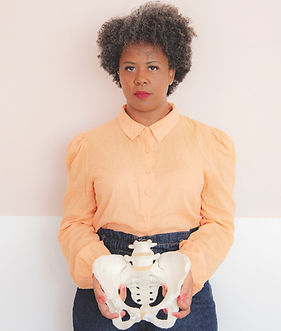
In this video, highly experienced pelvic health Physiotherapist Sandra Wright explains what a pelvic floor is and what it does.
What to Expect During a Vaginal Birth
Vaginal birth is one of the ways a baby can be born, and every labour and birth experience is unique. As your baby moves through the birth canal, the tissues of the vagina, pelvic floor, and perineum (the area between the vagina and anus) stretch significantly. Most women experience some degree of stretching, and some will have a tear or require an episiotomy (a surgical cut to enlarge the vaginal opening).
Understanding how to prepare for birth, reduce your risk of severe tearing, and support your recovery can help you feel more confident and informed.
What Is Perineal Tearing?
Perineal tears occur when the skin and muscles around the vaginal opening stretch beyond their capacity during birth.
Tears are classified by severity:
-
First-degree tears affect the skin only.
-
Second-degree tears involve the skin and some of the underlying muscle.
-
Third-degree tears extend into the anal sphincter muscle.
-
Fourth-degree tears extend through the anal sphincter and into the lining of the rectum.
Most tears are first- or second-degree and heal well with appropriate care. Third- and fourth-degree tears are less common but require careful repair and follow-up.

All about Pelvic Tears
Watch the video below, where experienced pelvic floor specialist Sandra Wright talks about the different types of pelvic tears, including OASI (Obstetric Anal Sphincter Injury) that can occur during vaginal birth.
Can Tearing Be Prevented?
Not all tears can be prevented, but several strategies may help reduce the risk of more severe tearing.
Perineal Massage
From around 34–35 weeks of pregnancy, regular perineal massage may help improve tissue flexibility.
To perform perineal massage:
-
Wash your hands thoroughly.
-
Use a water-based lubricant or natural oil recommended by your healthcare provider.
-
Insert your thumbs about 3–4 cm into the vagina.
-
Apply gentle pressure downward and sideways until you feel a stretch.
-
Hold for 1–2 minutes and then massage the area in a U-shaped motion.
-
Aim for 5–10 minutes, 2–3 times per week.
Perineal massage appears to be particularly beneficial for women having their first vaginal birth.


Maintain Pelvic Floor Health
Strong and well-functioning pelvic floor muscles support pregnancy, birth, and recovery.
Pelvic floor exercises during pregnancy can:
-
Improve muscle awareness and control.
-
Support bladder and bowel function.
-
Enhance recovery after birth
A pelvic health physiotherapist can help ensure you are performing exercises correctly.
Stay Active During Pregnancy
Regular pregnancy-safe exercise can help maintain fitness, mobility, and endurance for labour.
Examples include:
-
Walking
-
Swimming
-
Pregnancy yoga
-
Pilates designed for pregnancy
Always discuss exercise plans with your maternity care provider. A great evidence-based site that looks at research and supports exercise in pregnancy is The Active Pregnancy Foundation.


Consider Your Birth Position
During labour, different positions may influence how pressure is distributed across the perineum.
Positions that may reduce perineal strain include:
-
Side-lying
-
Hands-and-knees
-
Upright positions such as kneeling or standing
Your healthcare team can help you find positions that feel comfortable and safe.
Slow, Controlled Pushing
As your baby's head crowns, your healthcare provider may encourage slower, controlled pushing. This allows the tissues time to stretch gradually and may reduce the risk of severe tearing.
Warm Compresses During Birth
Research suggests that applying warm compresses to the perineum during the pushing stage of labour may reduce the risk of more significant tears and improve comfort.

Factors That Can Increase the Risk of Tearing
Some factors are outside your control and may increase the likelihood of tearing:
-
First vaginal birth
-
Larger babies
-
Assisted vaginal birth (forceps or vacuum)
-
Prolonged pushing stage
-
Shoulder dystocia (difficulty delivering the shoulders)
-
Rapid birth
In this video, Filipa Borlinhas, HCPC-registered women’s health dietitian and founder of Nourish Her by Filipa, explains some of the nutritional considerations after a perineal tear or episiotomy.
Recovery After a Vaginal Birth & tears

Managing Pain and Swelling
It is normal to experience discomfort, bruising, and swelling in the first few weeks.
Helpful measures include:
-
Applying ice packs wrapped in a cloth for short periods.
-
Taking prescribed or recommended pain relief.
-
Resting when possible.
-
Wearing comfortable, breathable underwear.
Caring for Stitches
If you have stitches:
-
Keep the area clean and dry.
-
Change maternity pads regularly.
-
Wash with warm water daily.
-
Pat the area dry rather than rubbing.
Most stitches dissolve naturally within several weeks.


Supporting Bowel Function
Constipation can increase discomfort and place strain on healing tissues.
To help:
-
Drink plenty of fluids.
-
Eat fibre-rich foods such as fruit, vegetables, and whole grains.
-
Take stool softeners if recommended by your healthcare provider.
Restarting Pelvic Floor Exercises
Gentle pelvic floor exercises can usually begin soon after birth, depending on your comfort and your healthcare provider's advice.
These exercises can help:
-
Improve circulation to healing tissues.
-
Restore muscle strength.
-
Reduce the risk of bladder leakage.
-
Support long-term pelvic health.


Returning to Activity
Recovery takes time. Gradually increase activity based on how you feel.
For the first few weeks:
-
Avoid heavy lifting.
-
Rest whenever possible.
-
Accept help from family and friends.
-
Increase walking and activity gradually.
When to Seek Medical Advice
Contact your healthcare provider if you experience:
-
Increasing pain rather than gradual improvement
-
Fever or feeling unwell
-
Heavy bleeding
-
Foul-smelling discharge
-
Difficulty controlling your bladder or bowels
-
Worsening swelling or signs of infection
-
Concerns about wound healing
Early assessment and treatment can help prevent complications.

Products That Can Help Your Scar Recovery

