

Other Scars
Our skin is the body's natural protective barrier. It helps keep infection out, prevents fluid loss, regulates temperature and allows us to interact with the world around us.
When the skin is damaged by a cut, tear or other injury, the body immediately begins the process of repair. Many small or superficial wounds can heal successfully on their own with appropriate wound care and dressings.
However, some injuries are deeper, larger, or involve loss of skin and underlying tissue. In these situations, the body may need additional help to achieve wound healing and restore the protective function of the skin. Depending on the type and severity of the injury, this may involve closing the wound with stitches, covering it with a skin graft, or reconstructing the area using a flap.
Every wound, scar, skin graft and flap is different. The information on this page provides general guidance and should not replace advice from the team caring for you.
Skin Grafts, Flaps & Lacerations
All about lacerations, skin grafts and flaps
What is a Laceration?
A laceration is a cut or tear in the skin caused by an injury. Some lacerations are small and can heal with dressings alone, while others are deeper or wider and may require stitches or reconstructive surgery.


What is a Skin Graft?
A skin graft is used when there is not enough skin available to close a wound directly. A skin graft involves taking skin from one part of the body and transferring it to another area. Skin grafts may be split-thickness grafts, which include the upper layers of the skin, or full-thickness grafts, which include the full depth of the skin. Split-thickness skin grafts are commonly taken from areas such as the thigh or back. Full-thickness skin grafts are often taken from smaller donor sites such as behind the ear, the upper arm or the groin.
If you have had a skin graft, you will usually also have a donor site where the skin was taken from. Both the graft and donor site require care during recovery.
Some grafts are applied as smooth sheet grafts, while others may be fenestrated or meshed to allow drainage and cover larger wounds.
Sometimes a skin graft is not suitable because the wound bed does not have an adequate blood supply, or because important structures such as tendon or bone are exposed. In these situations, a flap may be required.
What is a Skin Flap?
A flap involves moving tissue with its own blood supply from one area to another. Some flaps use nearby tissue, while others transfer tissue from a different part of the body. Depending on the reconstructive needs, a flap may contain skin, fat, fascia, muscle, bone or a combination of tissues.

What physical effects might I experience?
The physical effects of a laceration, skin graft or flap vary considerably depending on the injury and treatment required.
In the early stages it is common to experience pain, soreness, swelling, redness and tenderness. Some people notice pulling or tightness as healing progresses. Scars may become itchy, dry, firm or raised.
Some people experience hypersensitivity, where normal touch, clothing or movement feels uncomfortable or painful. Others experience reduced sensation or numbness around the scar, graft or flap. Sensation often changes during recovery and may continue to improve over time.
Skin Graft and Flap Recovery
Skin grafts may feel tight, fragile or different in texture to the surrounding skin and can sometimes feel stuck to underlying tissues. Because skin grafts have less elasticity than normal skin, they can be at greater risk of developing contracture, where the scar tightens and restricts movement.
Flaps may feel swollen, bulky or numb, particularly in the early stages of recovery. Depending on the type of flap, altered sensation may persist for some time while nerves recover and adapt.
If the injury or reconstruction crosses or is close to a joint or an area of movement, stiffness and reduced movement may occur. In some situations, scars can tighten over time and affect movement, comfort and function.
What should I do immediately after injury or surgery?
The most important advice is to follow the guidance given by the team managing your wound.
Healthcare professionals see wounds every day. For you, this may be the first time you have experienced one. It is very common to leave an appointment and later realise you are unsure what you were told or what you should do next.
If you are uncertain, ask questions. Consider writing questions down before appointments and, where possible, bringing someone with you for support.
Keep dressings clean, dry and intact as instructed. Seek advice if dressings become soaked through or don't cover the wound fully. Watch for signs of infection such as increasing redness, swelling, discharge, unpleasant odour, fever or feeling unwell.
Swelling is common after injury and surgery. Movement and elevation can often help reduce swelling, but some procedures require temporary restrictions. Always follow the advice given for your specific situation.

Timeline of Recovery
Early healing phase
(up to approximately 2 weeks)
During this stage, the priority is wound healing. Follow all instructions provided by your healthcare team and attend all scheduled appointments. Keep dressings clean and dry as advised. Focus on good nutrition, hydration and rest to support healing.
If possible, create some space in your life to prioritise recovery. Try to stay in the moment rather than focusing too much on what the scar may look like in the future. Healing takes time.


Healing and recovery phase (approximately 2–12 weeks)
Many wounds may now be healed, although healing rates vary considerably. Continue following advice from your healthcare team. Gradually return to movement and activities as advised.
Movement is an important part of recovery. While some procedures require temporary restrictions, scars generally respond well to appropriate movement. Maintaining flexibility and restoring normal movement patterns can help support long-term recovery.
Once the skin is fully healed, moisturising, silicone products and sun protection may be introduced. Continue to monitor healing and raise any concerns with your team.
Scar rehabilitation phase (approximately 12 weeks onwards)
As the wound heals, the focus often shifts towards scar rehabilitation.
Scars often become redder, firmer and more noticeable before they improve. This is a normal part of healing. While wounds may heal within weeks, scars continue to mature and change for many months and often years.
Scar rehabilitation is not only about appearance. It is also about ensuring that the scar moves well, feels comfortable and does not limit day-to-day activities. This may involve stretching, exercise, scar massage, silicone products, compression or other treatments depending on the scar and your goals.
Continue basic scar care measures such as moisturising, silicone and sun protection. Pay attention to symptoms such as pain, itch, swelling, tightness, hypersensitivity, reduced sensation or reduced movement. If you have ongoing concerns, seek advice from your medical or therapy team.

What products may help?
Always follow the advice provided by your surgical, medical or therapy team, as recommendations may vary depending on your situation.
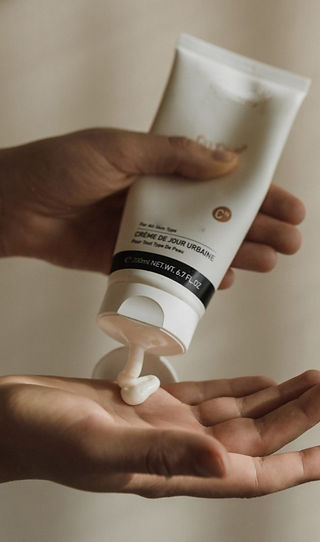
Once the skin is fully healed, regular moisturising is one of the most important parts of basic scar care. Newly healed skin is often dry and vulnerable. Keeping the scar well hydrated may help reduce irritation and send fewer signals that drive excessive scar formation, while also supporting the natural process of scar maturation.
Products that Hydrate & are Unfragranced
In general, choose products that hydrate well, are suitable for sensitive skin and do not contain unnecessary fragrances or active ingredients. More expensive products are not necessarily better.
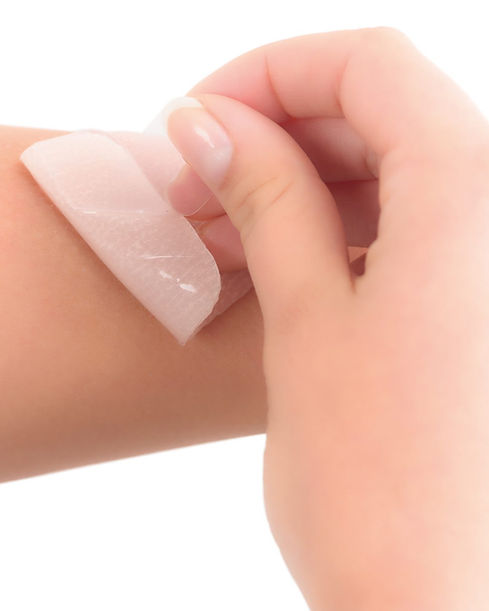
Silicone products are among the most commonly recommended scar-management products and may be available as gels, sheets or tapes.
Sun protection is particularly important during the first year after injury or surgery, as scars and grafts can be more sensitive to sunlight and may pigment differently from surrounding skin. UV exposure can cause scars to become darker, browner and more noticeable than the surrounding skin. These colour changes can sometimes persist long after the scar has healed. Protecting your scar from the sun is one of the simplest and most effective ways to support the best possible long-term outcome.
What treatments may help?
Treatment depends on the type of scar, your symptoms and your goals.
For many people, self-management and good scar care are all that is required. This may include moisturising, silicone products, sun protection, movement and stretching exercises.
There is no single treatment that is right for every scar. The most effective approach depends on the type of scar, the symptoms it is causing, how long it has been present and what is most important to you.
Treatments may include scar massage, stretching, taping, exercises, compression, camouflage, medical tattooing, laser treatments, injections and further surgery.
If you are considering treatment, it is helpful to seek advice from a scar specialist who understands the full range of available options and can assess your specific scar and guide you.

When should I seek professional advice?
Seek advice promptly if you are concerned about infection, wound breakdown, unexpected swelling, increasing pain or anything that does not look or feel right.
Many scars benefit from professional review, even if they are healing well. Early assessment can help identify potential problems and ensure that you are receiving the most appropriate advice and treatment at the right time.
If your scar is becoming increasingly painful, itchy, tight, raised, swollen, restricting movement, affecting your confidence or impacting your quality of life, consider seeking advice from a healthcare professional with experience in scar management.
All About Hand Scars
How Hand Scars Can Occur
Our hands are incredible tools. They allow us to perform complex, precise tasks such as painting or playing an instrument. They are powerful, allowing us to grip a hammer or a walking stick. Our hands are mobile and flexible, capable of supporting our weight when pushing up from a chair or doing yoga. And our hands are aesthetic and social, enabling us to communicate with those around us.
Hand scarring occurs after injury or surgery. For example, after falling from a bicycle, after a planned surgery such as a carpal tunnel decompression, or after trauma surgery such as fixing a wrist fracture. Hand scars need special care, ensuring our hands maintain their complex capabilities, and optimising our return to function.

In the video below, Dr Donna Kennedy talks about the healing journey of hand scars, drawing on her vast experience with patients and her own research.
What you need to know about hand scars:
Emotional impact of hand scars
Hand scars can carry an emotional burden because they are visible and because our hands are an important part of function, interaction and communication. Hand scars can affect mood and self-image. Hand scarring can remind us of a traumatic event or make us feel stigmatised. Feeling self-conscious, embarrassed, anxious or depressed is not unusual.
If you are struggling with the emotional impact of your hand scar, speak with your GP or scar care professional regarding support. You may find useful resources at the Hub of Hope, a mental health support directory. Or you may consider talking therapies; talking with a trained professional about your thoughts and feelings.
How Hand Scars Develop and Form
Wounded skin generally heals between 2 and 6 weeks, and a scar results. In 1984, surgeon Earl Peacock described the one wound-one scar concept, and this remains accurate today. With a deep injury or surgical incision, multiple tissue layers are involved. The healing process can produce one continuous scar that comprises various tissues: bone, tendon, and skin.
For this reason, hand rehabilitation encourages active hand mobility and light functional use as soon as it is safe to do so, after injury or surgery. Importantly, active hand movements promote scar healing while preventing adhesions from forming between adjacent tissues.


Scar Sensitivity and Desensitisation
Hand scars are often very sensitive. This is because our hands are packed with nerve endings that provide us with information about our environment. It is usually best to desensitise well-healed skin with exposure to normal stimulation, for example, contact with a rough flannel, or warm water, or light touch.
Scar Recovery and Maturation
Despite sensitivity, healing skin will have regained most of it’s strength by six weeks and can tolerate most daily functional tasks. By three months after injury or surgery, most people can return to heavy manual work and sport. Scar remodelling and maturation can continue for over a year. Most scars will continue to fade, flatten and become progressively less symptomatic.

What you can do for hand scars
Scar management is about minimizing, not eliminating, scarring and it’s impact. Always follow the advice of your medical care team.
Wound Care
While your wound is healing follow the advice of your medical team. Keep dressings clean and dry. Dressings may make the hand stiff and limit movement. However, if you have been advised to move your hand and wrist, it is important to do so. Elevate your hand to prevent swelling, particularly until you are using it normally for function.
Nutrition
Proper nutrition and hydration are important for wound healing. The NHS provides useful information on eating a balanced diet.
Smoking
Smoking delays wound healing and as a consequence, can negatively affect scar quality. Your body’s ability to heal improves as soon as you stop or even decrease smoking. This video, “Smoking and Wound Healing”, explains how smoking affects healing and the benefits of quitting.
There are many resources available to help you to stop smoking. You should speak with your GP, or access NHS advice.
Exercise
Graded motor imagery. Very early on after an injury or surgery, your hand / wrist might be immobilised in a cast or splint. While you won’t be able to move it normally, you can still imagine moving it. While this sounds strange, motor imagery is like mental rehearsal. When you imagine yourself moving, activity in your brain is the same as if you were physically doing it. There is evidence that this can help significantly to reduce pain. Imagine, for example, reaching out and picking up a green apple. Raise it to your face. Smell it. Bite the apple. Feel the juice running on your hand. Set the apple down on the cold marble countertop. Importantly, select a task to imagine that is important or enjoyable to you.
Active range of motion. Movement is important to prevent stiffness, and this includes uninjured joints. Unless your medical team has advised otherwise, exercise regularly to keep your shoulders and elbows flexible. This brief video, “Exercises for Elbow & Shoulder Range of Motion”, offers useful advice.
Tendon gliding exercises
If you have been advised that you can should move your hand freely, in other words, you have no medical restrictions to movement, you may find tendon gliding exercises helpful. Start with your fingers straight (Fig 1.) then bend your fingers in a hook position. Next form a shelf or tabletop. Fourth, bend the fingers to the palm, with a flat fist. Last, slide the fingers into the palm, forming a fist. Hold each position for 3 seconds. Repeat the series 5 times, 3 times a day. Tendon gliding exercises may help to reduce scar adhesions from forming between your flexor / extensor tendons and skin, promoting mobility.

Fig 1. Tendon gliding exercises. Image courtesy of Daniel Bautista.
Function
If you have been advised to use your hand for functional activity, this is an important part of your recovery. Start with light tasks, such as turning pages, using your phone, or picking up small objects. Functional tasks promote wound healing and help to optimise scar remodelling.
Timeline of Recovery from Hand Scarring
What to do in the first 24-48 hours
The most important advice is to follow the guidance given by the team managing your injury or wound. As above, follow all healthy lifestyle advice.


What to do in the first 1-4 weeks
After a hand injury or surgery, your pain should be settling. Your hand may still be sore and sensitive. This is your brain's way of reminding you that you have a recovering injury or wound. Continue to follow all wound care instructions and to elevate your hand to control swelling. As the wound closes, your scar may appear red, thick or raised. When advised, start moisturising your scar with a well-balanced unscented emollient cream. Your pharmacist can advise which products are best for your skin and scar. Apply moisturising cream gently, a few times daily. Scars dry out faster than uninjured skin. We think that when scars become too dry, they may become thicker (hypertrophic).
What to do in the first 4-8 weeks
Your scar will gradually start to become less red and raised. If your scar is hypersensitive, gently and regularly expose it to stimulation. Continue to moisturise your scar. Avoid friction or shear across the scar, for example, when opening a tight jar. Excessive friction or pressure may drive inflammation, causing the scar to further thicken, rather than gradually flattening. Some scar care resources describe vigorous scar massage to “break down scar”. Vigorous, deep scar massage is to be avoided and may in fact have the opposite effect.
For scars that are raised, silicone gel products (sheets, tapes, gel) may promote scar remodelling and flattening. We do not know how silicone works, but there is good evidence that it does. Between 4 and 8 weeks, most people will be using their hand well for light to moderate activity and will have returned to desk based or professional jobs. Do not perform heavy manual activity / work or sport until advised it is safe to do so by your medical team.


What to do in the first 8-12 weeks
At this stage, your injury or surgery will be settling. Swelling and stiffness in the hand and wrist will be subsiding. With complex injuries, such as with a fractured wrist, or repaired tendon, these structures will be well healed and strong by 12 weeks. Most people will be cleared by their medical team to return to full activity at 12 weeks.
While the structures under your skin will be well healed, your skin / scar will still be remodelling or normalising. Your scar may still be sensitive; this is not uncommon. During functional activity, continue to avoid shear across scars. For scars in the palm of the hand or wrist, some people find wearing a well-padded cycling glove during heavier tasks to be helpful (Fig 2). For example, when gardening, or exercising.
Ongoing Scar Care
Continue to moisturise your scar regularly. If your scar is on the back of your hand, wrist or arm, avoid sun on your scar for up to 12 months after injury or surgery. This is because sun exposure in a remodelling scar can cause hyperpigmentation, causing the scar to darken. Palmar skin does not have the same tendency. You may find it useful to carry a small stick of SPF 50 sunscreen to protect your scar if required.
When Is A Scar Fully Matured?
If your scar is raised or thick, you might benefit from using silicone gel products, as described above. Your scar will be matured when it is flat, pale and you no longer get unusual sensations in it, such as itching or pulling. Until that time, your scar will continue to remodel, and you should continue to care for it.
Scar Tethering and Joint Movement
Where scars cross joints in the hand or wrist, scar tethering may limit your joint motion. If you become aware of this, discuss it with your medical team. This is usually best treated with a programme of targeted, gentle stretching exercises. The specific exercises will depend on your injury or surgery and the location of your scar.
12 weeks and beyond
At this point, all injured or repaired structures will be well healed. However, your scar will continue to mature or remodel until about 12 months post-injury, but sometimes longer. It is important to maintain your scar care routine. If you have regained most of your usual hand function, you may be discharged by your medical care team. However, for some people, scarring may significantly restrict the motion of the hand or wrist and limit hand function. Speak with your medical team or GP about treatment options. There is a range of treatment options available to help with scar appearance, symptoms and scar quality


All About Self-Harm Scars
You're Not Alone
Self-harm scars tell a story, but they do not define who you are. Many people who have self-harmed go on to recover, and for some, their scars can become a reminder of a difficult time they have overcome. For others, the scars may continue to cause emotional or physical distress.
Whatever your experience, support is available, and there are treatments that may help improve the appearance, comfort and function of your scars if this is something you would like to explore.

What is Self-Harm?
Self-harm (sometimes called self-injury or self-inflicted injury) is when someone deliberately hurts themselves as a way of coping with overwhelming emotions, distress or difficult experiences. It is important to remember that self-harm is not always linked to suicidal thoughts. For many people, it is a coping strategy rather than an attempt to end their life.
Self-harm can affect people of any age, gender or background.
In this video, academic plastic surgeon Ioannis Goutos talks about the facts of self-harm scars, and how different people seek treatment at different times.
Where Can Self-Harm Scars Occur?
Self-harm scars can occur anywhere on the body but are commonly found on the:
-
Forearms
-
Wrists
-
Upper arms
-
Thighs
-
Lower legs
-
Abdomen
-
Chest
Some scars are small and difficult to notice, while others may be more extensive or raised.

Why Might Someone Self-Harm?
Everyone's reasons are different. Self-harm may be a way of:
-
Coping with overwhelming emotions
-
Managing anxiety or stress
-
Feeling relief from emotional pain
-
Expressing feelings that are difficult to put into words
-
Feeling a sense of control
-
Coping after trauma or abuse
-
Managing depression
-
Responding to feelings of numbness
-
Punishing themselves because of feelings of guilt or low self-worth
There is no single reason why someone self-harms, and everyone's experience is unique.
Looking After Yourself
Recovery is not always straightforward, and it is okay to ask for help.
Speaking to someone you trust can be an important first step.
This might include:
-
A family member
-
A close friend
-
A teacher or tutor
-
A workplace manager
-
Someone within your faith or community
You do not have to cope on your own.
In this video, Ioannis Goutos talks about the different treatment options available for self-harm scars.
Health Professionals Who Can Help
If self-harm is affecting your wellbeing, consider speaking with a healthcare professional such as:
-
Your GP
-
A mental health nurse
-
A psychologist
-
A counsellor
-
A psychiatrist
-
A children's or adolescent mental health professional (for young people)
-
A specialist scar therapist or physiotherapist if your scars are painful, tight or affecting movement
These professionals can support both your emotional wellbeing and physical recovery.

Counselling and Psychological Support
Many people find talking therapies helpful.
These may include:
-
Counselling
-
Cognitive Behavioural Therapy (CBT)
-
Compassion Focused Therapy
-
Dialectical Behaviour Therapy (DBT)
-
Trauma-focused therapies
-
Group therapy
-
Mindfulness-based approaches
Finding the right therapist can take time, but support is available.
In this video, Amber Raine, an integrative therapist specialising in long-term psychotherapy and psychological support for people living with scars.
talks about the emotional impact self-harm scars can have, and how you can seek help to aid your recovery.

Organisations That Can Help
If you are struggling, please reach out.
Useful organisations include:
-
NHS Talking Therapies (England)
-
Mind
-
Samaritans
-
YoungMinds (for children and young people)
-
Papyrus HOPELINE247 (for young people experiencing suicidal thoughts)
-
SHOUT (text support service)
If you ever feel unable to keep yourself safe or think you may act on suicidal thoughts, contact your local emergency services or attend your nearest Emergency Department immediately.
Caring for Self-Harm Wounds and Scars
What to Do in the First 24-48 Hours
The priority is allowing the wound to heal safely.
-
Keep the wound clean.
-
Follow advice from your healthcare professional regarding dressings.
-
Avoid picking at the wound.
-
Watch for signs of infection such as increasing redness, swelling, heat, discharge or worsening pain.
-
Seek medical advice if you are concerned.
During this stage, scar massage or scar products are not recommended.


What to Do in the First 2–4 Weeks
Once the wound has completely healed and the skin is closed:
-
Begin moisturising the area with an unperfumed moisturiser if advised.
-
Protect healing skin from sun exposure.
-
Avoid scratching or picking.
-
Gentle movement can help maintain mobility if appropriate.
If you are unsure whether the wound has healed sufficiently, seek advice from a healthcare professional before starting scar treatments.
What to Do in the First 4-6 Weeks
Once healing is complete:
You may begin scar management, including:
-
Gentle scar massage (if appropriate)
-
Silicone gels or silicone sheets
-
Moisturising daily
-
Desensitisation techniques if the scar feels sensitive
-
Gentle stretching if the scar crosses a joint
Early scar management may help improve scar flexibility, comfort and appearance.

8 Weeks and Beyond
As your scar continues to mature:
-
Continue scar massage if recommended.
-
Continue silicone therapy if appropriate.
-
Protect scars from sunlight using clothing or a high-factor sunscreen.
-
Maintain good skin hydration.
-
Continue stretching and exercises where needed.
Scar remodelling continues for 12–24 months, so improvements can continue over time.
If your scars become:
-
Raised
-
Thickened
-
Painful
-
Itchy
-
Tight
-
Restrict movement
-
Cause emotional distress
Speak to a healthcare professional or scar specialist, as treatments may be available.
Remember
Your scars are only one part of your story.
Healing is about much more than the skin. Looking after your emotional wellbeing is just as important as caring for your scars.
Whether your scars are recent or many years old, it is never too early—or too late—to seek support if they are affecting your physical or emotional wellbeing.
Products That Can Help Your Scar Recovery


