
Hypertrophic Scar

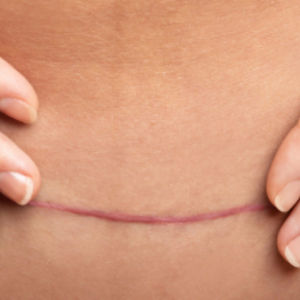

A hypertrophic scar is a raised scar that stays within the original wound area (this scar can be red and raised and look a bit like a red “bootlace” across the scar).
Did you know that 50% of all scars become hypertrophic, so its very common to have a raised scar like this.
How hypertrophic scars occur
During healing, the body produces collagen to repair the damaged tissue. In hypertrophic scars, the body produces more collagen than needed, and it builds up on top of the scar.
This excess collagen causes the scar to become thick, raised, and sometimes red or inflamed. Over time, the body may slowly break this down, but the scar can remain prominent and sometimes cause irritation.
Typical Features of a hypertrophic scar:
-
Raised above the skin.
-
Red, pink, or darker in colour.
-
Often itchy or sensitive.
-
Stays within the original scar line.
How it may be treated
Treatment often focuses on helping the body remodel excess collagen and reduce thickness.
This may include hands-on scar therapy, massage techniques, silicone, negative pressure and compression. These varied approaches help to improve flexibility, reduce sensitivity, flatten the scar and reduce itch and discomfort.