An Introduction to Burn Scars
Burn scars are part of recovery, and support, care and understanding can make a real difference to how they feel and how you live with them.
Burn scars can affect people in different ways - physically, emotionally and socially, and recovery often involves adjusting to changes over time.
This page was created by The Katie Piper Foundation

When and how burn injuries occur
Burns happen when the skin is damaged by heat (such as hot fluids, surfaces or flames), chemicals, electricity, friction or radiation. They can occur in everyday situations at home, at work or outdoors and may affect a small area or a larger part of the body.
As a burn wound heals, it may leave a scar – an area of skin that looks or feels different from the surrounding skin. Scarring is more likely when deeper layers of the skin are affected, healing takes longer or requires surgery. The temperature of the source and how long it was in contact with the skin can influence how deep the injury is.
Burns are described as;
-
Superficial - affecting only the top layer of the skin,
-
Partial Thickness – affecting the top and deeper layers of the skin or
-
Full Thickness – affecting all layers of the skin and possibly other structures like muscle and bone.
Every burn and every person heals differently. Some scars fade and soften over time, while others can remain more noticeable or feel tight.
The Emotional Impact of Burn Scars
A burn injury can affect more than the body – it can also impact how you feel about yourself and how you relate to others. Changes in appearance may affect confidence and body image, sometimes leading to self-consciousness or avoiding social situations.
Johanne Harrison
Head of Patient Services & Lead Psychotherapist at the Katie Piper Foundation
The emotional impact varies from person to person:
Confidence and self-esteem
Visible scars or changes in appearance can affect confidence, particularly in social or intimate situations. Some people may feel self-conscious about being looked at, questioned or judged. Everyday activities can feel daunting.
Identity and sense of self
A burn injury can affect how someone sees themselves physically and emotionally.
People may feel like they've lost their old self and may struggle to integrate the injury into their identity.
Roles
People and their families can struggle when roles and responsibilities change, particularly if independence, mobility or daily function are affected. Adjusting to needing support, or supporting someone else through recovery, can be emotionally challenging.
Visibility and social experiences
If burns are visible, individuals may experience staring, intrusive questioning or avoidance from others. This can lead to social withdrawal, isolation and heightened anxiety in public spaces.
Some people develop strategies to manage this, such as covering their scars, or avoiding conversations, while others work towards acceptance and openness over time.
Trauma and psychological distress
The journey itself can be traumatic, particularly if it involves pain, fear or life-threatening circumstances.
Some individuals develop symptoms of post-traumatic stress disorder, which may include flashbacks, nightmares or feeling hyper-vigilant.
Anxiety, low mood and grief are also common especially during recovery and hospitalisation.
Adjustments and adaptions
Recovery is often long and can involve repeated treatments, which can be emotionally exhausting. People may go through stages similar to grief, including shock, anger, sadness and eventually some level of acceptance.
Over time, many individuals find ways to adapt, rebuild confidence and develop resilience, although this process is rarely linear.
Relationships and intimacy
Changes in body image and confidence can affect relationships and intimacy. There may be fear of rejection, feeling different, not being able to get comfortable or concerns from the other partner about causing pain or discomfort.
Personal growth
Not everyone experiences this; some people report increased resilience, a shift in priorities or a strong sense of purpose after recovery.
Peer support and emotional recovery
Peer support and burn survivor groups can play a powerful role in recovery. Emotional support, psychological services and specialist burn teams can all help people process what has happened, rebuild confidence and feel less alone. Acknowledging both the visible and invisible impact, support from psychological services, peer support and specialist burn teams can make a significant difference to how you live with burns and scars.
How burn scars develop and form
After a burn injury, the body begins the healing process by repairing damaged skin. Superficial burns may heal with little or no scarring, while deeper burns are more likely to leave a scar because more layers of skin are affected.
During healing, the body produces collagen, a natural protein that helps repair the skin and close the wound. Sometimes more collagen is produced than is needed which can cause scars to become raised, thick, firm, tight or itchy.

This video from the Centre of Appearance Research at UWE Bristol discusses what challenges adults with a visible difference, including scarring, may experience in everyday life.
Thank you to Centre of Appearance Research for staring this video with us. Find outmore about their work and research at:

The Appearance of Burn Scars
Scars can look and feel different from person to person. Their appearance and texture depend on factors such as the depth of the burn, where it is on the body, the treatment received and individual skin characteristics.
Some scars remain flat and soft, others can become raised, firm or bumpy – known as hypertrophic scarring. Scars change gradually over time and can take many months or even years to settle. Consistent, gentle, regular care can help support the healing process.

What you can do
(support / treatments / products)
There are several things you can do to help your burn scar heal and feel more comfortable:
-
Moisturise - Apply a fragrance-free moisturiser at least twice a day to keep the scar hydrated and reduce dryness and itching.
-
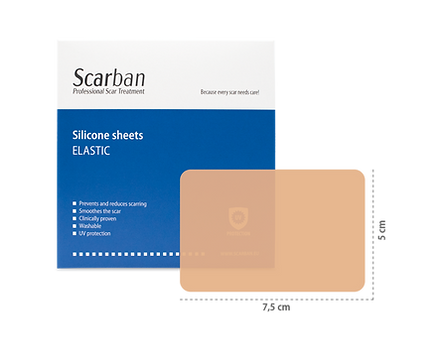
Silicone products - Gels, sheets or sprays may help improve the appearance and texture of scars.
-
Massage - Gentle massage to the scar can help soften the tissue, reduce tightness and improve flexibility.
-
Movement/stretches - Regular movement and stretching exercises are especially important if the scar is near a joint to help maintain mobility and function.
-
Pressure Garments - In some cases, these may be recommended by your burns team to help flatten and smooth raised scars.
Factors Affecting Burn Scar Recovery
Itching, tightness and sensitivity are common as scars heal. Keeping the area moisturised and cooled can help, along with antihistamines. If symptoms become difficult to manage, speak to a healthcare professional.
Temperature can affect how a scar feels. In hot conditions, scars can be sensitive, especially in the sunlight and can burn or darken more easily. Try to stay out of direct sunlight, wear loose-fitting clothing, and apply SPF 50 sunscreen; a small fan may help with comfort. Sun protection is especially important after injury. In colder weather, layering clothing can help keep the area warm.
Emotional Recovery
Recovering from a burn injury is not just physical. Emotional wellbeing, confidence and social adjustment are also important parts of recovery. It’s common to experience a range of emotions, including shock, frustration, or self-consciousness about changes in your skin.
Talking to someone you trust, joining a support group, or speaking with a counsellor or psychologist can be helpful. Everyone’s journey is different, and finding what supports you is important.
Managing Burn Scars: Catrin's Story
In this video, Catrin Pugh talks about what has worked best for her in terms of scar therapy for her burns. She talks about what she did initially after her burns and what she still does now, several years later.
Recovery Timeline
Recovery from a burn injury is different for everyone, but understanding what’s happening can help you feel more in control.
What to do in the first 24–48 Hours
In the first couple of days after a burn, the priority is getting appropriate medical attention. This includes assessing the severity of the burn, managing pain, and reducing the risk of infection. Dressings may be applied to support healing, and guidance provided on how to care for the wound.
In some cases, if the wound needs additional help to heal, surgery may be discussed. Gentle movement is encouraged where possible. This period can feel overwhelming, so reassurance and support are important.


What to Do in the First 1–4 Weeks
During the early healing phase, the skin begins to repair itself. Dressings may need to be changed regularly, and healing monitored closely.
You might start to notice changes in how the skin looks and feels. If surgery was required, some movements may be temporarily limited or stopped to assist healing. Emotionally, this can be when the impact of the injury starts to settle in, and support from others can make a meaningful difference.
What to Do in the First 4–8 Weeks
As healing continues, scar tissue may begin to form, and some wounds may have healed. The area might appear pink, thicker, tighter, or slightly raised.
Rehabilitation, including stretching and movement, becomes increasingly important to maintain flexibility and function. Early scar care such as moisturising and gentle massage may begin to support the scar as it continues to heal.


What to Do from 8-12 Weeks
The scar continues to develop, with changes in colour, texture, and sensitivity. Some people may notice itching, tightness, or discomfort as the scar tissue changes.
Establishing a daily routine which includes moisturising, massage, rehabilitation exercise along with normal daily activities is important. This is also a time of emotional adjustment as people adapt to changes in how the scar looks and feels. Ongoing support can be reassuring.
What to Do 12+ weeks (and beyond)
Scars can continue to evolve and mature for many months, often as long as 1-2 years. They may gradually become less red, soften, flatten, or become less noticeable, though the pace varies from person to person.
Many people begin to shift their focus toward living with their scar, rebuilding confidence, and returning to everyday activities. Long-term recovery often includes finding ways to live confidently with your scar, whether through ongoing care, supportive products, or connecting with others who understand. This stage is about rebuilding strength, resilience, and self-confidence while recognising how far you’ve come.
Long-term recovery can include physical healing, emotional adjustment and rebuilding confidence in everyday life.

What Worked for Polly with her Burns Recovery
Dan's Fund for Burns founder Polly Brooks talks about her own burn scar recovery after 43% of her body was burnt after a horrific terrorist attack.
About the Katie Piper Foundation
The Katie Piper Foundation supports burns survivors and people living with scars and trauma to rebuild their lives with confidence. The charity provides access to scar management and rehabilitation treatments, psychological support, peer support opportunities and wellbeing services to help people navigate both the physical and emotional impact of injury.
Through specialist rehabilitation programmes, partnerships and community support, the charity works to ensure survivors feel seen, supported and empowered throughout recovery.
We welcome referrals from healthcare professionals, patients and family members. You can get in touch with us via our referral form.


Products That Can Help Your Scar Recovery